Garden drainage in Pimlico
If you are dealing with soggy borders, pooling water on the lawn, or a garden that stays wet long after the rain has stopped, garden drainage in Pimlico may be the practical fix you need. In a central London area where outdoor space is often compact, paved, and closely built around neighbouring properties, water rarely has the chance to move away naturally. That can leave residents and businesses with damp patches, slippery paths, saturated beds, and gardens that are difficult to enjoy or maintain.
Pimlico’s mix of period terraces, mansion blocks, mews-style homes, basement flats, and commercial premises creates drainage challenges that are often different from those in more open suburban areas. Soil can be heavy, outdoor areas may have been adapted over time, and older runs, patios, and retaining walls may not have been designed with today’s use in mind. A local drainage solution needs to take all of that into account, whether the goal is to protect planting, improve usability, or stop repeat waterlogging after rainfall.
Our service is designed for real properties in and around Pimlico, from small residential courtyards to shared gardens and business outdoor areas. If you need a garden drainage solution in Pimlico that fits the space you have rather than forcing a one-size-fits-all approach, we can help assess the problem, explain the options clearly, and carry out the work with minimal disruption. Contact us today to discuss the issue and arrange a site visit or quote.
Why garden drainage matters in Pimlico

In a busy central area like Pimlico, a garden is often more than just a patch of outside space. It may be a place to sit, a children’s play area, a route to a rear entrance, a space for planters, or a small courtyard that supports a café, office, or hospitality setting. When drainage is poor, that space can become difficult to use, unpleasant to maintain, and vulnerable to long-term damage. Standing water can soften soil, stress plants, stain paving, and create slippery conditions that are simply not practical for everyday use.
Garden drainage is especially important where there is limited fall across the surface, where paved areas direct water back toward the property, or where heavy clay soil prevents water from soaking away. In Pimlico, many gardens are enclosed by walls or neighbouring buildings, which can restrict natural airflow and slow evaporation. If the problem has been building over time, it may also be linked to compacted ground, old landscaping, or blocked channels that once helped water move through the space.
Good drainage is not just about removing water quickly; it is about managing it properly. A well-planned system helps protect planting, reduce mess, preserve hard landscaping, and make the garden more usable throughout the year. That matters whether you are a homeowner, landlord, managing agent, tenant with permission to improve the space, or a business owner looking after customer-facing outdoor areas.
Common drainage problems we see in Pimlico gardens

Every garden is different, but there are several issues that appear frequently in local properties. Some are obvious, such as water collecting in the same corner after rain. Others are more gradual, like soil that stays damp for days, plants that struggle to establish, or paving that begins to shift because the ground below is holding too much moisture. Identifying the real cause is the first step toward a lasting fix.
Typical issues include waterlogged lawns, poor runoff from patios, blocked or ineffective channel drains, saturated flower beds, and runoff from higher ground, roofs, or neighbouring structures. In basement and lower-ground homes, garden drainage can also be closely linked to damp management, because water held against external walls can create additional problems. In commercial spaces, poor drainage may create safety concerns, limit access, or make outdoor seating and display areas less attractive to customers.
It is also common to find a combination of factors rather than just one. For example, a paved yard may slope towards the property, while the soil bed beside it is compacted and unable to absorb excess water. Or an older drain may still work, but only partly, because roots, silt, or broken connections are restricting flow. A proper inspection helps separate surface symptoms from the underlying cause, so the solution addresses the issue instead of only masking it.
How a local drainage service helps
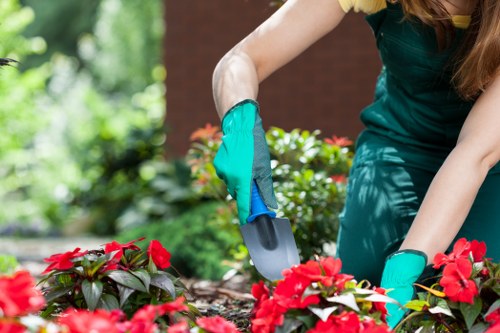
Choosing a local team for garden drainage Pimlico means getting someone who understands the area’s property layouts, access challenges, and the way weather affects compact urban gardens. A local service can assess how water moves across your specific outdoor space, identify the likely weak points, and recommend a practical system that suits the property type and how the garden is used.
That can include simple improvements such as regrading a small area, installing French drains, adding soakaways where conditions allow, fitting channel drainage across paths or patios, or improving the way runoff is directed away from walls and entrances. In some cases, the work may also involve clearing existing drains, replacing damaged sections, or repairing connections that are preventing water from flowing freely. The right approach depends on the site, the soil, and the available space.
Local knowledge matters because access can be tighter in Pimlico than in less built-up areas. Narrow side passages, basement light wells, shared rear entrances, controlled parking, and conservation-sensitive surroundings can all influence how work is planned and completed. A service experienced in the area is more likely to factor in these details from the start, helping the job run more smoothly and avoiding unnecessary disruption for you and your neighbours.
What is included in garden drainage work

When customers ask about garden drainage, they often want to know exactly what the service covers. While each project is different, a professional drainage visit usually starts with a careful look at the garden, the surface levels, the existing outflow routes, and any visible signs of standing water or erosion. From there, the recommended solution will depend on the layout and the type of problem being tackled.
A typical service may include:
- Site assessment to identify where water is entering, sitting, or backing up
- Drain and channel inspection to check for blockages, damage, or poor fall
- Surface level checks to assess whether regrading or levelling is needed
- Installation of drainage features such as French drains, soakaways, or channel drains
- Repair or replacement of damaged drainage components
- Debris and silt removal from affected areas where appropriate
- Runoff control improvements to keep water away from walls, doors, and paths
- Advice on aftercare so the drainage system continues to perform well
In some gardens, a single intervention solves the issue. In others, the best result comes from combining methods, such as improving the fall of a patio and installing a small drainage channel along the edge. The key is to choose work that suits the property and the long-term use of the space, rather than adding unnecessary complexity.
Types of drainage solutions we may recommend

There is no universal fix for waterlogged gardens, especially in an area with such varied building styles and outdoor layouts. The best solution for one Pimlico property may not be right for the next. That is why drainage work should always start with an understanding of how your garden behaves in wet weather and what the space needs to do on a day-to-day basis.
Some of the most common solutions include:
French drains
A French drain can help collect and redirect excess water through a gravel-filled trench with a perforated pipe. This is often useful where water gathers along boundaries, in low spots, or at the edge of a lawn or planting area. It can be a discreet and effective option where space is limited and a clean finish matters.
Soakaways
Soakaways are designed to store and disperse water into the surrounding ground. They can work well where the soil conditions and available space are suitable. In compact urban gardens, careful planning is important, because the location and size of the soakaway need to be chosen with the site’s structure and drainage path in mind.
Channel drainage
Channel drains are often installed across paved areas, patios, or access routes to collect surface water and move it away before it causes pooling. In Pimlico, these are especially useful where hard landscaping meets door thresholds or where a flat surface has little natural fall.
Regrading and levelling
Sometimes the issue is not a failed drain but the shape of the ground itself. Regrading can help redirect water more naturally, which is particularly helpful in small gardens where even a slight slope can make a big difference.
Root and blockage removal
If an existing drain is partly or fully blocked, clearing the obstruction may restore proper flow. Roots, silt, leaves, and construction debris can all reduce performance. Clearing may need to be followed by repairs or improvements if the underlying system is also damaged.
Choosing the right method
Good drainage work balances function and appearance. In many Pimlico gardens, space is too precious to waste on solutions that are oversized or visually intrusive. A well-planned installation should work reliably while blending into the garden as much as possible.
Garden drainage for different property types in Pimlico
Pimlico has a wide mix of property styles, and drainage needs can vary greatly from one address to another. A Victorian terrace with a compact rear yard will not have the same requirements as a modern apartment with a paved courtyard, or a business property that needs reliable access for staff and customers.
Residential gardens often need a practical balance between usable space and moisture control. Homeowners may want to protect turf, planting, and outdoor seating areas while avoiding work that would take up too much room. Basement and lower-ground properties may need extra attention around walls, steps, and light wells to reduce the chance of persistent damp.
Commercial customers may need drainage that supports safety, access, and presentation. This can include shared courtyards, staff areas, outdoor seating, building entrances, and service routes. For landlords and managing agents, the goal is often to prevent repeat complaints and keep the area functioning properly for all users.
Why local experience helps with these property types
- Smaller outdoor spaces often need precise, space-saving solutions
- Older buildings may have existing levels, walls, or paving that affect water movement
- Shared access can limit how materials and equipment are brought in
- Nearby residents or businesses may need work completed with care and consideration
- Parking and loading restrictions can influence project timing and logistics
Because of these factors, it helps to work with a team that is familiar with Pimlico’s environment and can plan around the realities of central London access.
What to expect from the service process
People often delay drainage work because they are unsure what will happen on the day. The process is usually straightforward, and a good team will keep it clear from start to finish. If you are booking garden drainage in Pimlico, the aim should be to make the experience practical, transparent, and easy to manage.
In most cases, the process looks something like this:
- Initial discussion about the problem, the garden layout, and any known history of waterlogging or blocked drainage
- Inspection or site visit to assess levels, surface materials, access, and likely causes
- Recommendation of suitable options, with a clear explanation of the benefits and limitations of each
- Scheduling of the work at a time that fits the property and any access restrictions
- Completion of the drainage work with care taken around existing planting, paving, and adjacent structures
- Final checks to ensure water is being directed away as intended
For many customers, the most helpful part of this process is understanding what is actually causing the drainage issue. Once that is clear, it becomes much easier to choose a sensible fix and avoid spending money on the wrong type of work.
Before the visit
It is often useful to show where water tends to collect after heavy rain, mention any recurring damp areas, and explain whether the garden has been altered in the past. Even small details can help diagnose the issue more accurately.
Preparation checklist for customers
Preparing the space in advance can help the work start smoothly and reduce delays. This is especially helpful in Pimlico, where access may be limited or shared. You do not need to clear everything yourself, but a bit of preparation can make a noticeable difference.
Helpful things to do before work begins
- Move pots, furniture, and lightweight garden items out of the work area if possible
- Point out any delicate planting you want protected
- Make sure access routes are clear, including side passages or rear entrances
- Let the team know about any restricted entry times, building rules, or neighbour considerations
- Identify any underground features you already know about, such as old drains, irrigation lines, or lighting cables
- If parking is limited, discuss loading or access arrangements in advance
These small steps can help the job move forward more efficiently and reduce the risk of accidental damage. They also help the work focus on the drainage itself rather than on avoidable interruptions.
Good preparation does not mean doing the drainage work yourself. It simply means making the area ready so the team can assess and complete the job properly.
Pricing factors to consider
Customers often want to know what affects the cost of garden drainage work, even if exact prices are not available until the site has been assessed. The overall cost will depend on several practical factors, and understanding them helps you compare options sensibly.
Common pricing factors include:
- The size of the affected area
- The type of drainage solution required
- How much excavation or surface removal is needed
- Whether existing drains need repair, replacement, or clearing
- Access constraints and how easy it is to bring equipment into the property
- The type of surface involved, such as lawn, gravel, paving, decking, or mixed landscaping
- Any need to protect existing structures, walls, planting, or finished surfaces
- Whether the work is straightforward or involves several linked drainage issues
In Pimlico, access can have a real effect on the practical side of the job. Narrow entrances, shared courtyards, and controlled parking may increase the time and care needed to complete the work safely. A local provider should explain these factors clearly so you can make an informed decision before booking.
If you are comparing options, look for a service that explains what is included, what the likely approach is, and how the solution is intended to work for your specific garden. That is often more useful than a vague estimate with no site context.
Why choose a local Pimlico company
There are clear advantages to choosing a team that works locally and understands the area. Garden drainage is a practical job, and local knowledge can make a noticeable difference in planning, access, and the final result. If you are searching for a garden drainage specialist in Pimlico, it makes sense to choose someone who is used to the types of properties and outdoor layouts found here.
Reasons customers value a local company:
- Familiarity with the area’s property styles and common drainage patterns
- Better awareness of access, parking, and delivery constraints
- Faster understanding of local garden layouts, including small courtyards and basement spaces
- Practical planning for work that needs to respect neighbouring properties
- More relevant advice based on the way gardens in the area are actually used
Local experience also helps when a problem is not obvious at first glance. For example, what appears to be a simple puddle might actually be caused by an old surface fall, a blocked outlet, or a poor connection to an existing system. Someone who has worked on similar properties nearby is more likely to recognise these patterns quickly.
If you want your outside space to be more usable in wet weather, it is worth speaking to a team that understands the area and can provide a realistic, property-specific approach. Request a free quote and take the first step toward a drier, more dependable garden.
Areas covered around Pimlico
Our service is focused on Pimlico and the surrounding central London areas where garden drainage issues often need a careful, site-specific approach. We regularly work with properties close to neighbouring districts and nearby streets where access, space, and property type can all influence the job.
Areas commonly covered include:
- Pimlico
- Victoria
- Belgravia
- Westminster
- South Westminster
- Vauxhall
- Chelsea borders
- Nearby central London residential and commercial locations
Whether the space is a private back garden, a communal courtyard, or a business outdoor area, the key is to match the drainage solution to the setting. Central London properties often need a balance of performance, discretion, and minimal disruption, which is exactly why a local team is so useful.
FAQs about garden drainage in Pimlico
Below are some of the most common questions we hear from customers who are dealing with poor drainage in a Pimlico garden or outdoor space.
How do I know if my garden needs drainage work?
If water stays on the surface after rain, soil remains soggy for long periods, plants struggle because the ground is too wet, or paving becomes slippery and stained, there is likely a drainage issue. A site assessment can confirm whether the problem is minor, moderate, or linked to a deeper fault.
Can drainage be improved in a small courtyard garden?
Yes. Small spaces often benefit from carefully placed drainage channels, localised regrading, or discreet soakaway solutions. The challenge is choosing a method that does not take up unnecessary room while still moving water away effectively.
Will the work be very disruptive?
That depends on the type of solution and how much access is available. Some jobs are relatively contained, while others need more excavation or surface adjustment. A local team should explain the likely impact before any work is booked.
Can you help with repeated water pooling near a wall or basement area?
Yes, this is a common concern in lower-ground and basement properties. Drainage improvements may help keep water away from walls and entrances, reducing ongoing problems around the garden edge or light well.
Do I need to replace all my garden paving?
Not always. In some cases, drainage can be improved by adding channels, adjusting levels in targeted areas, or connecting existing surfaces to a better outflow route. The aim is to find the least disruptive solution that still works properly.
How quickly can the issue be assessed?
That depends on availability and the details of the job, but drainage problems are often best assessed as soon as possible, especially if water is affecting access, safety, or the condition of the property. Book your service now if you want to move forward without delay.
When to book garden drainage help
Some customers wait until the garden becomes unusable, but it is often better to act earlier. If you have noticed a recurring wet patch, water entering a basement light well, or a patio that remains slick and damp, it is worth getting the area checked before the problem worsens. Small drainage issues can grow into larger ones when they are left untreated, especially in compact urban spaces where water has nowhere else to go.
Booking early can also help protect landscaping and hard surfaces. Repeated saturation may weaken paving sub-bases, encourage moss growth, affect planting, and create a more expensive repair later on. A well-planned drainage improvement can save hassle by solving the cause rather than repeatedly clearing the symptoms.
If you need garden drainage in Pimlico for a home, rental property, or commercial space, the best next step is usually a straightforward assessment and a practical recommendation. Contact us today to discuss what is happening in your garden and arrange the next step.
Final thoughts
Good drainage is essential to making a garden work well in Pimlico. With limited outdoor space, varied property layouts, and the demands of central London living, water management needs to be handled carefully and with the right local approach. Whether the issue is a small courtyard that never dries out, a patio with poor runoff, or a garden edge that keeps flooding after rain, the right drainage solution can make the area safer, cleaner, and far more usable.
We focus on practical, property-specific solutions that suit the way Pimlico homes and businesses are actually built and used. That means taking access, layout, surface type, and existing conditions into account from the start. If you want a space that performs better in wet weather and is easier to maintain all year round, a local drainage service is a sensible investment in the long-term condition of your garden.
Request a free quote today and get expert help with your garden drainage problem in Pimlico.